Enjoy exclusive discounts on premium quality herbs and herbal products
Hijama / Cupping Therapy: Surprising Results for medical Conditions — A Complete Guide
therapy hijama | hijama benefits for blood pressure | hijama treatment near me | hijama benefits for skin | hijama and weight loss | cupping therapy| al hijama near me
Tabiba Faiza Shabbir
4/9/20266 min read
Hijama / Cupping Therapy: Surprising Results for These Conditions — A Complete Guide
Hijama — also known as cupping therapy — is one of the oldest healing traditions in human history. Yet today, in the age of modern medicine, it is experiencing a powerful global revival. From clinics in Lahore to wellness centres in London and New York, more and more people are turning to this ancient Sunnah practice to address a wide range of health conditions — and the results are nothing short of remarkable.
In today's blog, we will walk you through the conditions in which hijama cupping therapy has shown truly surprising and well-documented results. Whether you are searching for hijama treatment near me or simply curious about whether this therapy could help you, read on.
What Is Hijama (Cupping Therapy)?
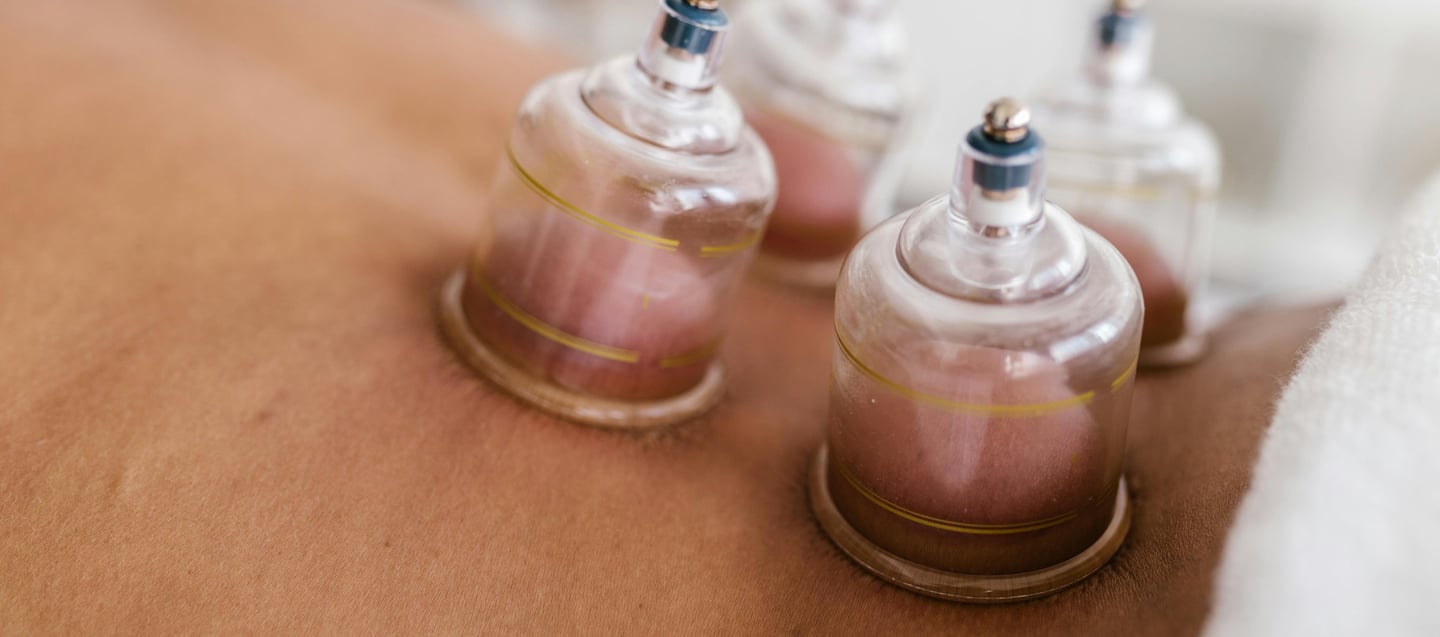
Hijama is a form of alternative medicine in which specially designed cups are placed on the skin to create suction. In wet cupping (the traditional Islamic form of hijama), small controlled incisions are made to draw out stagnant or impure blood from beneath the skin. This process is believed to stimulate circulation, detoxify the blood, and restore the body's natural balance.
Hijama holds a deeply respected place in Islam — the Prophet Muhammad ﷺ praised it as one of the best forms of treatment. For Muslims seeking cupping therapy guided by their faith, hijama carries both spiritual and physical significance.
Conditions Where Hijama Has Shown Remarkable Results
1. Hijama for Blood Pressure (Hypertension)
One of the most searched topics is hijama benefits for blood pressure. Clinical observations and patient reports consistently indicate that regular hijama sessions help reduce elevated blood pressure by improving blood flow and relieving vascular tension. It works as a complementary support alongside prescribed medication.
2. Hijama for Eye Weakness & Vision Problems
Poor eyesight and eye fatigue are increasingly common in our screen-heavy world. Hijama applied to specific points on the head and neck is reported by practitioners to reduce eye strain and support improved circulation to the optic nerves.
3. Hijama for Depression & Mental Health
Hijama benefits for mental health are gaining increasing attention. The therapy promotes relaxation, reduces cortisol (the stress hormone), and many patients report lifting of depressive symptoms and improved emotional well-being after sessions.
4. Hijama for Migraine & Chronic Headaches
Migraines are debilitating. Hijama applied to the neck, upper back, and head has been used for centuries — and continues to be used today — to provide significant relief for migraine sufferers. It is among the most talked-about hijama benefits.
5. Hijama for Dizziness & Vertigo
Persistent dizziness often signals poor circulation or blood pressure irregularities. Hijama therapy helps address the root causes, with many patients reporting complete resolution of chronic dizziness after a course of treatment.
6. Hijama for Kidney Pain
Hijama on the lower back, in proximity to the kidneys, is a traditional remedy for kidney-related discomfort, inflammation, and sluggish kidney function.
7. Hijama for Shoulder Pain & Frozen Shoulder
Shoulder pain — including the stubborn condition known as frozen shoulder — responds exceptionally well to hijama. Cupping releases muscular tension, improves local circulation, and breaks down adhesions that restrict movement.
8. Hijama for Neurological & Brain-Related Conditions
Hijama is applied to specific scalp and neck points to support neurological health, improve focus, reduce brain fog, and assist recovery in conditions affecting cognitive function.
9. Hijama for Sciatica (Sciatic Nerve Pain)
Sciatica — the shooting pain that travels from the lower back down the leg — is one condition where hijama has produced particularly impressive results. By relieving pressure on the sciatic nerve and improving circulation in the affected area, cupping therapy provides both short-term relief and long-term improvement.
10. Hijama for Back Pain & Spinal Issues
Chronic lower back pain and spinal problems are among the most common reasons people seek hijama cupping near me. Whether the cause is muscular tension, herniated discs, or postural issues, cupping therapy reduces inflammation and pain significantly.
11. Hijama for Joint Pain & Arthritis (Gout / Gout)
Hijama benefits extend powerfully to joint pain and inflammatory arthritis. The therapy draws out inflammatory compounds from affected joints, reduces swelling, and restores mobility.
12. Hijama for Allergies
Recurrent allergies — whether seasonal, food-related, or environmental — often respond to hijama, which is thought to help recalibrate the immune system by removing toxins from the bloodstream.
13. Hijama for Fatigue, Lethargy & Excessive Sleepiness
Feeling chronically tired, lazy, or excessively sleepy despite adequate rest? Hijama improves oxygenation of the blood and overall circulation, helping the body regain energy and vitality.
14. Hijama for Wounds & Skin Healing
Cupping therapy accelerates the healing of wounds by stimulating blood flow and promoting tissue repair.
15. Hijama for Acne (Acne)
Hijama benefits for skin include the treatment of acne. By purifying the blood and improving lymphatic drainage, hijama reduces the internal toxicity that often manifests as chronic skin breakouts.
16. Hijama for Itching & Skin Disorders
Skin conditions including itching, eczema, and psoriasis often have a blood-toxicity component. Hijama cleanses the blood, providing relief from stubborn dermatological issues.
17. Hijama for General Body Aches & Muscular Pain
Whether from overexertion, fibromyalgia, or chronic tension, diffuse body pain responds well to cupping therapy's muscle-relaxing and circulation-boosting effects.
18. Hijama for Paralysis (Stroke Recovery Support)
Hijama is used as a supportive therapy in stroke rehabilitation, helping improve circulation to affected limbs and supporting neurological recovery.
19. Hijama for Anxiety & Mental Stress
Beyond depression, general anxiety and mental overwhelm are addressed through hijama's deeply relaxing and nervous-system-regulating effects.
20. Hijama for Piles / Hemorrhoids (Bawaseer)
Hemorrhoids result from poor venous circulation in the rectal area. Hijama applied to specific points improves blood flow and reduces venous congestion, offering lasting relief.
21. Hijama for Women's Health — Menstrual & Gynecological Issues
Hijama benefits for female health are wide-ranging. From irregular periods and painful menstruation (dysmenorrhea) to hormonal imbalances and PCOS, cupping therapy has shown promising results in women's health. Many women specifically search for hijama for ladies in Islam, and it is indeed a Sunnah-endorsed practice for women as well.
22. Hijama for Heel Pain & Knee Pain
Plantar fasciitis (heel pain) and knee joint pain, whether from injury or wear and tear, respond positively to localised cupping treatment.
23. Hijama for Spinal Cord & Vertebral Problems
From cervical spondylosis to lumbar disc problems, hijama offers supportive relief by reducing inflammation and improving blood supply to the affected spinal segments.
Hijama & Weight Loss
Searches for hijama and weight loss are among the highest in our keyword data. While hijama is not a standalone weight-loss solution, it supports the body's metabolic processes, reduces water retention, improves digestion, and boosts energy — all of which support a healthy weight management journey.
Hijama Benefits for Hair Growth
Hijama benefits for hair growth is another heavily searched topic. Scalp cupping improves blood circulation to the hair follicles, delivers more oxygen and nutrients to the scalp, and can help reduce hair loss caused by poor circulation or scalp tension.
What the WHO Says About Cupping Therapy
It is worth noting that the World Health Organization (WHO) has officially included cupping therapy in its Traditional Medicine Strategy and guidelines, recognising it as a legitimate complementary treatment modality. This global endorsement reflects the growing body of evidence supporting hijama's therapeutic value across numerous health conditions.
Finding Hijama Treatment Near You
If you have never experienced cupping therapy before, we strongly encourage you to try it at least once. The results can be life-changing. Whether you search for hijama cupping near me, al hijama near me, or hijama treatment near me — the key is to find a registered and qualified practitioner.
Important: Always choose a certified and registered Tabib or cupping therapist. Hijama is a procedure that demands precision, hygiene, and skill. Many clinics also offer home service — so you can enjoy professional hijama treatment in the comfort of your own home. Simply contact a reputable clinic to enquire.
Never allow an unregistered or unqualified person to perform hijama on you. Your health is your most valuable asset — do not compromise it.
Final Thoughts
Hijama / cupping therapy is not a trend — it is a time-tested, prophetically endorsed, and now globally recognised healing tradition. From blood pressure and migraines to sciatica, skin conditions, women's health, and mental well-being, the range of conditions that respond to hijama is truly extraordinary.
If you are looking for a natural, holistic complement to your healthcare — or if conventional medicine has left you searching for better answers — hijama cupping therapy deserves your serious consideration.
Always consult a qualified and registered practitioner. This article is for informational purposes and does not constitute medical advice.
Author : Faiza Shabbir
FTJ(Fazil ut Tibb Wal Jarahat) Certified Hijama therapist
Certified Ayurveda Practioner Certified Color therapist


Shipping & Delivery Return & Refund Policy How to Order Track My Order Payment Options FAQ
Powered by Hostinger SSL Secure Checkout Made in Pakistan 🇵🇰
Technical
Contact us
Legal
Customer Support
Learn More
Shop
Follow Us
About Us Privacy Policy Terms & Conditions Disclaimer
© 2026 Herb Doctor pk. All Rights Reserved.
Facebook Instagram Tiktok Youtube


Delivery Partners :